
 July 8, 2014
Many of us have an idea of what hypertension is, and we work towards its prevention. However, hypotension is its opposite, because it simply means low blood pressure.
Generally, the heart pumps oxygen-rich blood around the body to supply our muscles and cells. Cardiologists say this activity generates pressure — blood pressure.
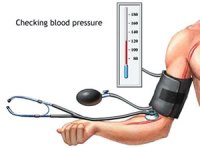
Clinical Biochemist and Products Manager (Diagnostics), New Heights Pharma, Mr. Olayinka Ebenezer, says normal blood pressure should be at or below 120 over 80 mmHg (120/80).
He explains, “The blood pressure of someone who is pre-hypertensive would read anywhere between 120/80 mmHg and 139/89 mmHg. This means that you don’t have high blood pressure now, but are likely to develop it in future. Then you need to take steps to prevent it.”
In terms of hypotension, he says, “Anybody with a reading of 90/60 mmHg or lower is regarded as having low blood pressure.”
Experts say though people with low blood pressure have some protection from factors that raise blood pressure to undesirable levels, hypotension may be a sign of an underlying problem, and can cause unpleasant symptoms.
Dangers of hypotension
What are the dangers inherent in low blood pressure? A cardiologist, Dr. Phillip Tiwalade, says when blood pressure gets too low, the supply of blood to the brain and other vital organs will become insufficient and at that point, the patient will need medical attention.
Tiwalade counsels, “Hypotension can cause serious heart disorders and fainting; while it can also lead to neurological and endocrine disorders. If hypotension is severe, key organs can become deprived of oxygen and nutrients and the body can go into shock — a life-threatening condition.”
Symptoms
Tiwalade says symptoms to watch out for include blurred vision, cold, clammy, pale skin, dizziness, fainting, fatigue, thirst, general feeling of weakness, nausea, palpitations and rapid, shallow breath.
Causes
Just like hypertension, certain factors predispose people to hypotension. One of this is age, physicians say.
Family doctor, Dr. Olabimpe Odunewu, explains that generally, an older body doesn’t manage changes in blood pressure the way a younger body does. So, getting older can lead to orthostatic hypotension — colloquially referred to as head rush or dizzy spell, in which a person’s blood pressure suddenly falls when standing up or stretching.
Odunewu says postprandial hypotension (a type of orthostatic hypotension) mostly affects older adults, being a sudden drop in blood pressure after a meal.
“Certain medical conditions can raise your risk of orthostatic hypotension,” Odunewu warns, and they include heart conditions, such as heart attack, heart valve disease, bradycardia (a very low heart rate), and heart failure — all of which prevent the heart from pumping enough blood to the body.
Other causes are anaemia, severe infections, endocrine conditions, such as thyroid disorders; Addison’s disease (a rare disorder of the adrenal glands), low blood sugar, and diabetes.
Others are central nervous system disorders, such as Parkinson’s disease, and pulmonary embolism (a blockage of the main artery of the lung or one of its branches).”
She also warns that some drugs, including libido-enhancing ones like Viagra, or drugs that aid urination and some Parkinson disease drugs, among others, can lead to hypotension.
Tiwalade adds that diets low in salt can also predispose someone to low blood pressure because, as he says, sodium (in reasonable quantity) is necessary to maintain the fluid balance in the body.
Again, physicians say, alcohol intake, some pain medications, heart medicines (including those used to treat high blood pressure and coronary heart disease), can also cause hypotension.
Odunewu also warns that complications in diabetes, changes in heart rhythm, and shock as a result of severe infection, or blood loss, can all lead to hypotension.








 Diamond Celebrities
No comments yet... Be the first to leave a reply!