

 November 24, 2015
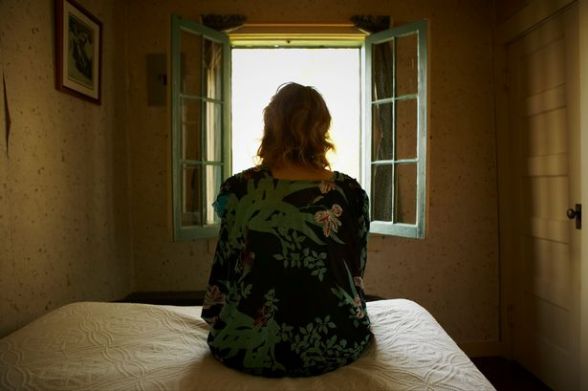
Lonely people are more likely to die early due to their immune system being weaker, a new study has found.
People who do not have frequent interaction with others are 14 per cent more likely to die early as they appear to have much lower levels of white blood cells in their body.
The cells are the human body’s way of battling diseases and illnesses and researchers stressed their findings were independent of other factors such as depression, stress and social support.
Research shows loneliness leads to fight-or-flight signalling occurring in the body, which can lead to a drop in white blood cells for over a year weakening the immune system.
University of Chicago scientists examined gene expression in leukocytes, there are cells responsible for protecting us against bacteria and viruses.
Their previous study found a link between loneliness and a phenomenon called ‘conserved transcriptional response to adversity’ (CTRA).
CTRA describes the effect of lonely people tending to have a weaker immune system response than those with a healthy social life.
This occurs when the number of genes involved in inflammation increases and the amount of genes involved in antiviral responses falls.
The PNAS study reconfirmed these findings, but also revealed that loneliness could predict future CTRA gene expression over a year later.
The researchers also found that loneliness and leukocyte gene expression appeared to provoke each other over time.








 Diamond Celebrities
No comments yet... Be the first to leave a reply!