

 March 15, 2016

Few days ago, the actress revealed she has been suffering from an illness for the past 8 years now : “Thank you Lord for your healing and saving hands upon my life. Each day I wake up, my life will continuously be a testimony of your grace and love. For 8 years I have battled this illness and at every life threatening moment, you’ve reassured me of your love. I will forever thank thee as I recover slowly”. She posted with the above photo on Instagram.

Then, last nite she revealed the illness with another Instagram post:
“Thanks for your prayers. I’m doing great and resting at home. I suffered a chronic form of Laryngospasm associated with GERD and acid reflux disease for 8years now. Thanks to my Ex-husband whose expertise and specialty as a Gastroenterologist helped save me. Thanks to my family and friends.
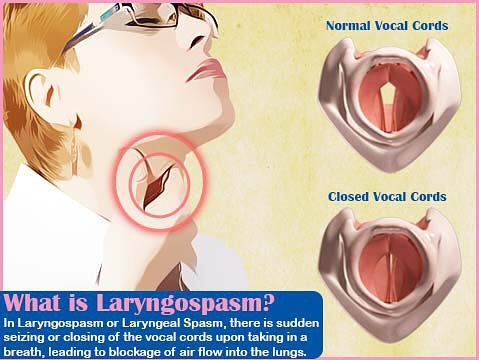
Laryngospasm is a rare but frightening experience. When it happens, the vocal cords suddenly seize up or close when taking in a breath, blocking the flow of air into the lungs. People with this condition may be awakened from a sound sleep and find themselves momentarily unable to speak or breathe. Though it can be scary while it’s happening, laryngospasm typically goes away within a couple of minutes.
What Causes Laryngospasm?
Laryngospasm may be associated with different triggers, such as asthma, allergies, exercise, irritants (smoke, dust, fumes), stress, anxiety or commonly gastroesophageal reflux disease, or GERD. GERD is a condition that occurs when the ring-like muscle that normally closes to keep the stomach’s contents from backing up doesn’t work right. With reflux, harsh acids from the stomach rise up into the esophagus and cause irritation.
Regular exposure to stomach acids can damage and inflame the delicate lining of the esophagus. This damage can lead to momentary spasms of the vocal cords, which close the airway and prevent air and oxygen from getting into the lungs.
When stomach acids reach the larynx, the condition is called laryngopharyngeal reflux or LPR. The tissues of the larynx are even more delicate and prone to injury than the esophagus. Coughs from a cold can push more acid into the larynx, so a recent or current upper respiratory infection may increase the likelihood of developing laryngospasm.
What Are the Symptoms of Laryngospasm?
When laryngospasm occurs, people describe the sensation of choking and are unable to breathe or speak. Sometimes, the episodes occur in the middle of the night. A person may suddenly awaken feeling as though he or she is suffocating. This condition is called sleep-related laryngospasm. It also is often related to GERD. Some people will actually lose consciousness during these episodes”. She posted with the photo below.








 Diamond Celebrities
Oh my God. Am suffering from a similar thing. Dear God heal her in Jesus Mighty Name Amen.